Influencer weddings 2026, the new brand campaigns.
For luxury creators, a wedding is no longer a private milestone but a multi-phase fashion event.
Leonie Hanne and Tamara Kalinic lead the spotlight in 2026 as high-profile fashion influencers are positioning ahead of potential 2026 weddings.
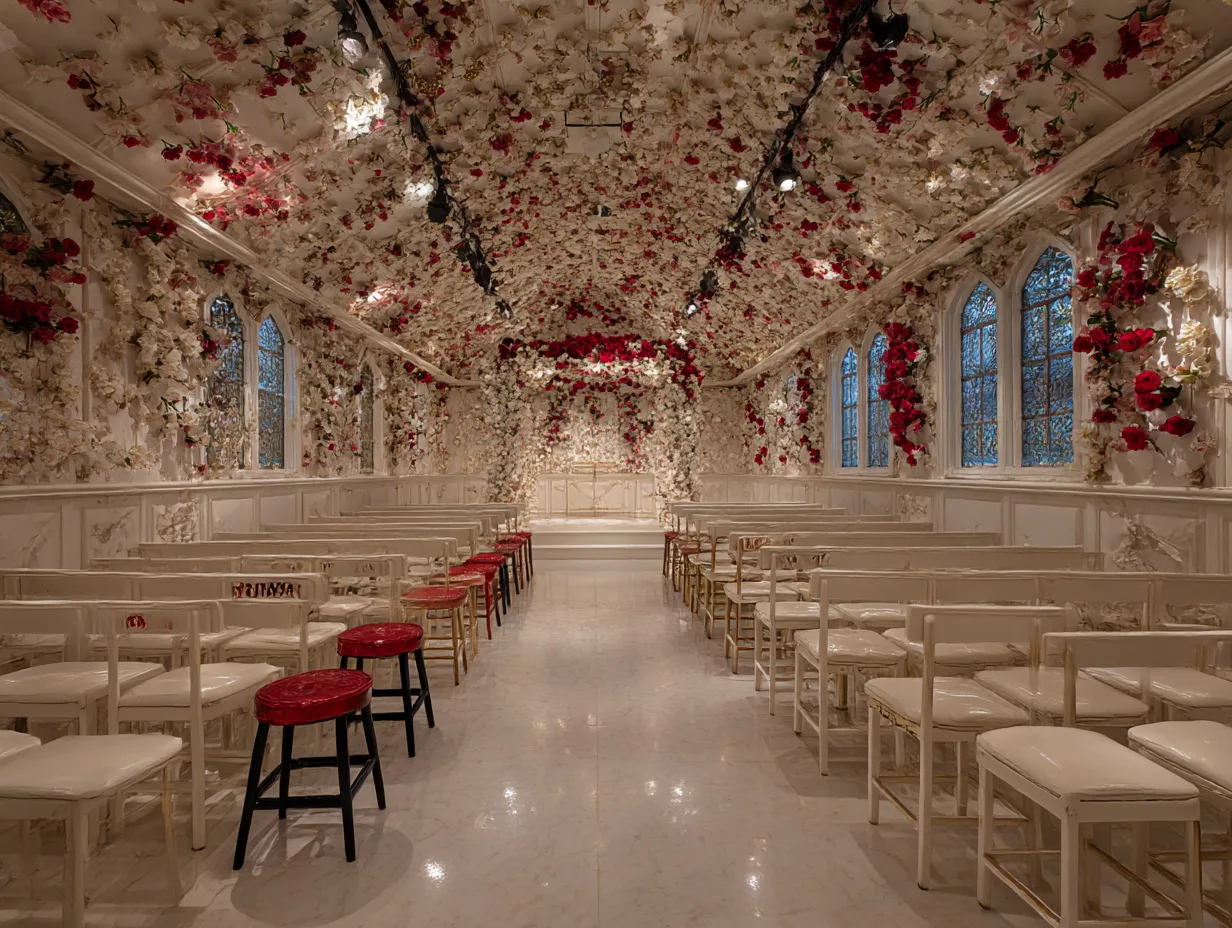
Wedding speculation in 2026 isn’t about dates. It’s big business. Rings appear in high-jewellery fittings. White gowns surface during couture week. Destination content quietly shifts toward lakes, villas and candlelit terraces. For fashion influencers operating at the luxury tier, a wedding is no longer a private milestone; it is a multi-phase brand event that begins long before any formal announcement.
Two names sit at the centre of that conversation: Tamara Kalinic and
Leonie Hanne. Neither needs to confirm a ceremony for the industry to begin positioning around them. In today’s ecosystem, bridal is less a reveal and more a runway that unfolds in stages.
Tamara Kalinic operates within the highest luxury bracket of influencer culture. Her long-standing relationships with couture houses and high jewellery brands place her in a category where a wedding would function as institutional validation rather than spectacle. If and when Kalinic enters a bridal phase, the gravitational pull will sit firmly with couture houses such Dior Official,
Giambattista Valli Paris and
Valentin — brands that balance romantic silhouettes with structured elegance. Her aesthetic leans polished and Paris-forward, positioning any future bridal moment as a showcase of refinement rather than excess.
High jewellery would sit at the centre of the narrative. Partnerships with houses such as Cartie BVLGARI Official would not simply accessorise the moment but define it, transforming engagement optics into brand storytelling. In this tier of influencer culture, the ring itself becomes campaign architecture.
Leonie Hanne represents a different bridal energy: spectacle, colour and couture drama. Known for bold silhouettes and front-row visibility, Hanne’s wedding positioning would likely orbit houses such as ELIE
ZUHAIR or
Oscar de la Rent where embroidery and statement construction dominate. Her bridal arc would not unfold quietly; it would align with fashion week calendars, couture fittings and multi-look transitions.
Not every influencer bride in 2026 is leaning into spectacle. At the more personal level, creators like halley kate are publicly rejecting large-scale ceremonies altogether, opting instead for courthouse weddings and intentionally smaller gatherings. That decision becomes content in itself. Instead of couture fittings and front-row adjacency, the narrative centres on personal comfort, financial realism and emotional autonomy. The shift shows how weddings are still intimate milestones, even for those with an audience, than production events, and audiences respond to the relatability. In this bracket, authenticity speaks over opulence and brands observing this tier see opportunity not in grandeur, but in alignment with personal values.
But for both big hitting influencers, the wedding is not a single-day reveal. It is a twelve-month content sequence involving engagement imagery, dress fittings, beauty preparation, travel partnerships and post-ceremony editorial. Brands benefit from early adjacency, even before confirmation. In 2026, influencer weddings do not begin with a proposal. They begin with positioning.